

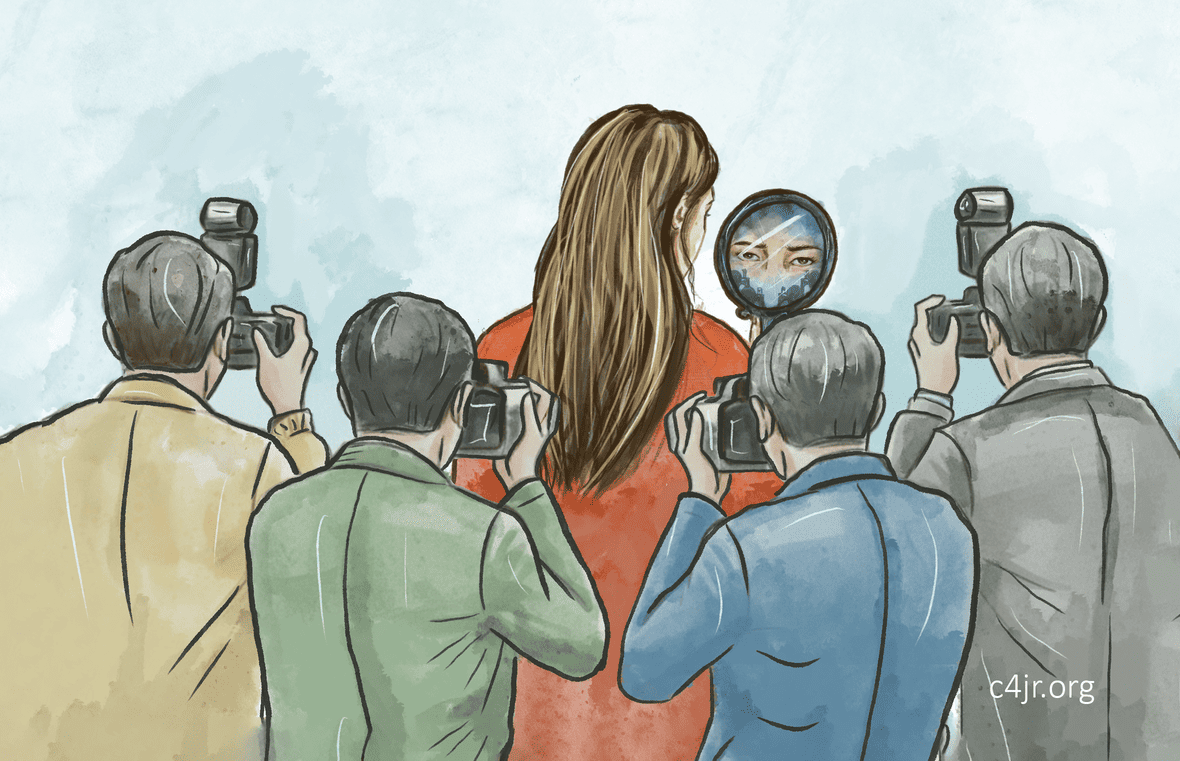
This Toolkit was developed within the Coalition for Just Reparations (C4JR), a project of the Jiyan Foundation for Human Rights. It represents an expansion of C4JR’s efforts to foster an ethical approach to engaging with survivors of ISIS atrocities by the media, NGOs, human rights documenters, governments, and investigators who reach out to C4JR and its member organisations. The purpose of the Toolkit is to prepare C4JR members to proactively support and empower survivors when they are invited to participate in activities where they are frequently asked to discuss past traumatic events surrounding abduction and other crimes perpetrated by ISIS. It expands on the C4JR’s Internal Guidelines on Ethical Engagement with Survivors of Sexual and Gender-Based Violence and Checklist for Media Involvement, and provides a framework, tools, and a protocol for handling these requests.
“The media has become one picture–one color–the sole thing they focus on is the idea that there is a survivor who was raped or sold. They forget we are surviving until this moment, but they cannot view us as heroes. They only want to see us as victims.”
– Member of the C4JR Survivors’ Council 1
In addition to being involved in substantive creation of the Toolkit, survivors also participated in a co-creation process of designing and illustrating the Toolkit. In consultation with an Iraqi artist and experienced resilience trainer, they were asked simple guiding questions: How do you want to be seen? What does ethical engagement mean for you? Draw or explain the first impression that comes to your mind when you think of concepts such as do no harm, confidentiality, and informed consent. The images in the Toolkit are representations of their answers.
The goal of the Toolkit is not to replace Survivors as primary decision makers, but to facilitate these requests and present opportunities to Survivors when they are ready, and to empower them through an ongoing informed consent practice that is survivor-centered and trauma-informed. Additionally, the goal is to strengthen how NGOs themselves engage with survivors, to improve their response and shift towards a more ethical way of working with survivors.
“We know that telling stories can be beneficial, therapeutic, and important, but with implementing the [ethical engagement] principles, understanding trauma, and ensuring that people have the right support.”
“What I can say is that from the initial development of this toolkit until today, all of our work has been centering survivors in the process and has been guided by their impressions, experiences, and insights.”
– Yusra Al-Kailani, Resilience Programming Trainer/Psychotherapist, Center for Victims of Torture
During its co-creation, many survivors reflected on the lack of information and unrealistic expectations that led them to share their stories soon after returning from captivity. Those who regret sharing such personal details with the media specifically have later realized that such information is permanently on the internet and cannot be removed. The response from Yazidi women when asked why they engaged with media demonstrates not only a lack of informed consent, but in some cases coercion:
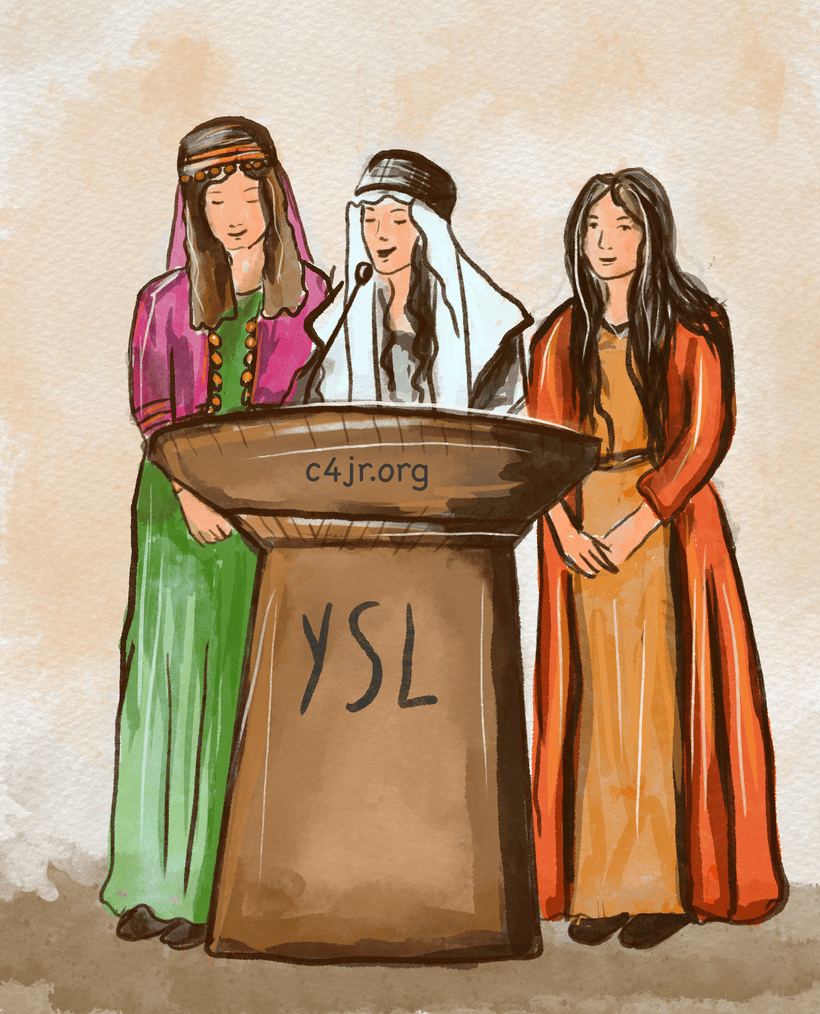
Because they asked us. I said no at the beginning, but they said, “This is for your own benefit.” So this is the only reason I talked to them. We talked to journalists many times. The camp management office is far. I walked so far two times because they said I have to, even though I didn’t want to. They said, “It’s good for you.”
– Survivor, Voices of Yazidi Women
Despite the countless hours of testimony provided by Survivors, often repeatedly to different entities, and the extensive This has resulted in the Toolkit’s focus on ongoing informed consent processes as the foundation of ethical engagement with survivors. Research and consultations with survivors show that media actors, NGOs, and criminal investigators have at times taken information from survivors in extractive ways. When survivors are asked to come forward, to tell their stories, including publicly disclosing their identities as survivors, it is essential that they fully understand the benefits and potential harms of such participation. This includes providing realistic information about the potential for benefits to themselves individually and to their broader community. Even more crucial is the discussion of how the information will be used and shared, and what risks to the survivor are associated with the public disclosure.
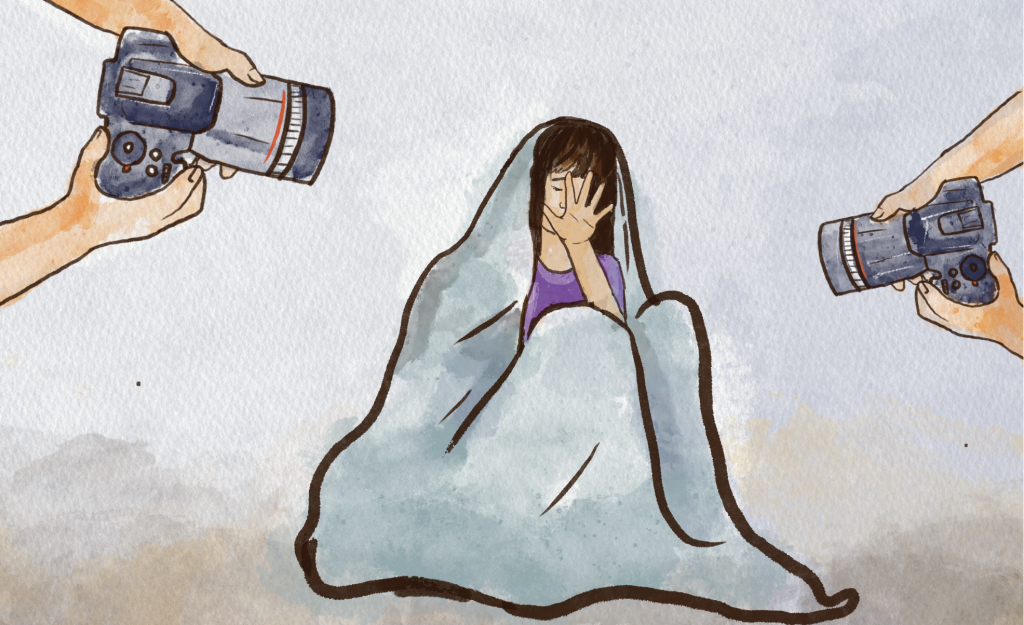
C4JR members and all actors engaging with survivors must take their responsibility to understand and apply the C4JR guidance and tools in the Toolkit, because advocating for the ethical documentation of these traumatic accounts can only be achieved from multiple fronts, and NGOs working with survivors must do their part. While the C4JR Toolkit is tailored to the Iraqi context, geared towards survivors from communities in Iraq that faced brutal violence by ISIS militants and their supporters, it can be applied in all situations where survivors are asked to share their stories, either publicly or privately.
As Wansa Shamoon, C4JR Liaison Coordinator, had put it: “our work on C4JR Toolkit is ultimately about encouraging survivors to take control over their space, their narratives and stories”.
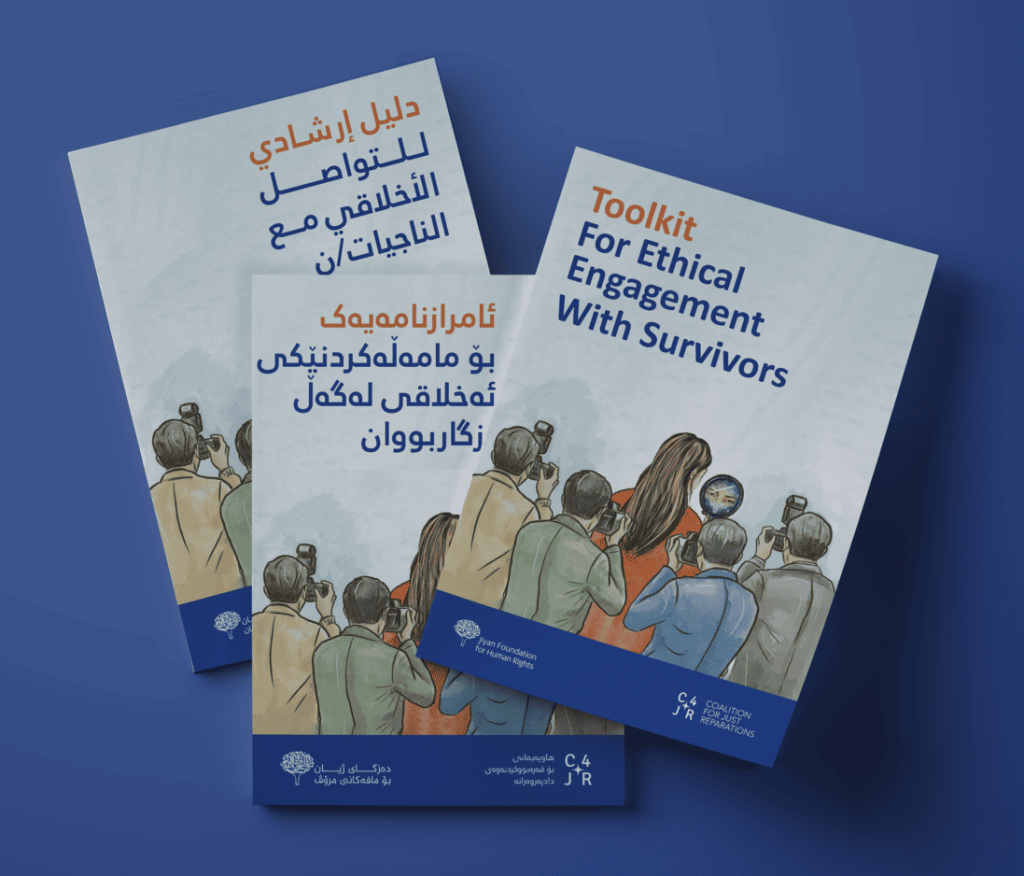
Title: Toolkit for Ethical Engagement with Survivors
Publisher: Jiyan Foundation for Human Rights
Year of Publication: 2025
Author: Sherizaan Minwalla
Co-Author: Yusra Al-Kailani
Contributors: Dr. Bojan Gavrilovic, Delman Kareem, Saber Saeed,
Wansa Shamoon, Zoé Paris, Zozan Mohammed
Illustrations: Lare Najmadin
- Survivor, during an in-person consultation in Dohuk, March 2024. ↩︎